A recommendation is not permission
A destination appearing in a travel guide does not override a closure, private property boundary, permit requirement, or local rule. Use land-manager information as the authority on access. The right place to begin is the current official notice, not a photograph or an old social post.
We focus on established public destinations and designated access. Some places in our guides are already well known. The aim is to help people discover worthwhile detours while respecting limits, not to reveal fragile locations that depend on remaining unvisited.
Stay where visitors are meant to be
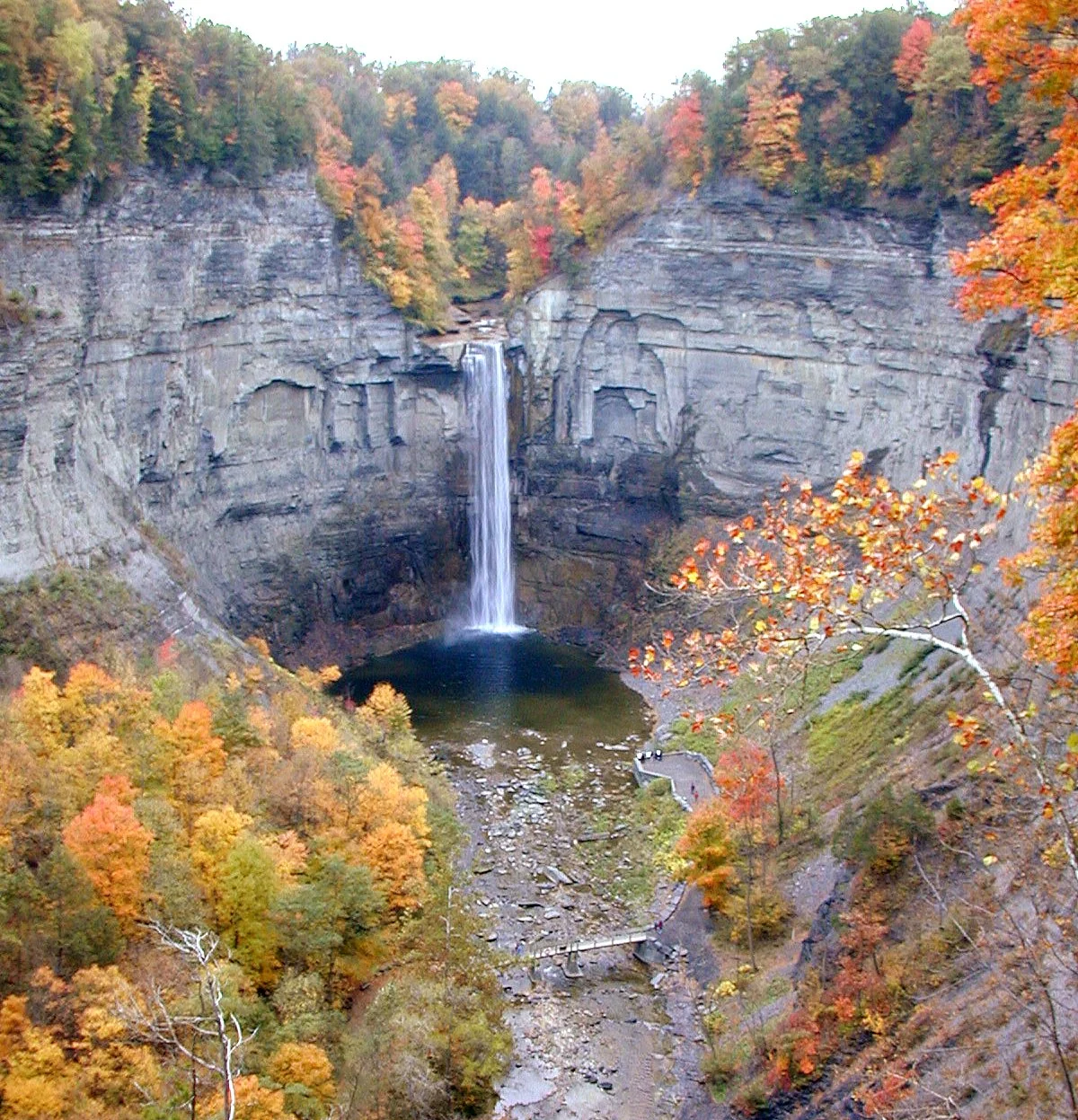
An existing trail concentrates foot traffic and limits damage. Shortcuts across dunes, desert soil, grasslands, or woodland roots can harm a place even when the effect is not obvious during a single visit. Stay on the designated route and treat a barrier as a boundary rather than an obstacle to a better view.
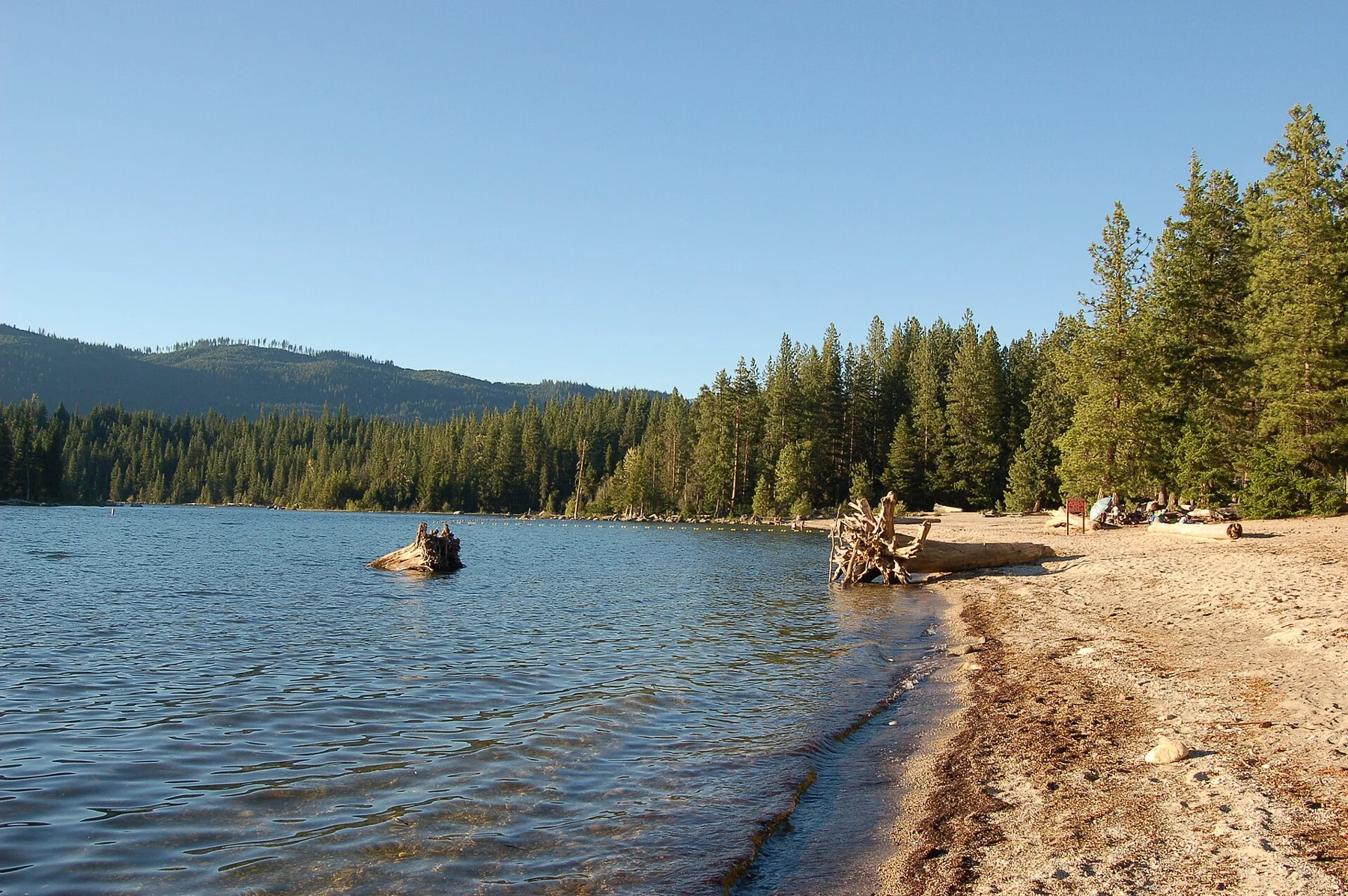
Park legally and avoid blocking gates, residents, or emergency access. If the parking area is full, change the plan instead of creating a new space on sensitive ground. A quieter hour or another day is a better response than pushing the destination beyond its capacity.
Observe wildlife and tidepools from a distance
Do not feed wildlife, handle tidepool organisms, or move animals for a picture. Bring binoculars or use a longer lens if you want a closer view. Wildlife does not owe a visitor an encounter, and a day without a particular sighting can still be a successful outing.
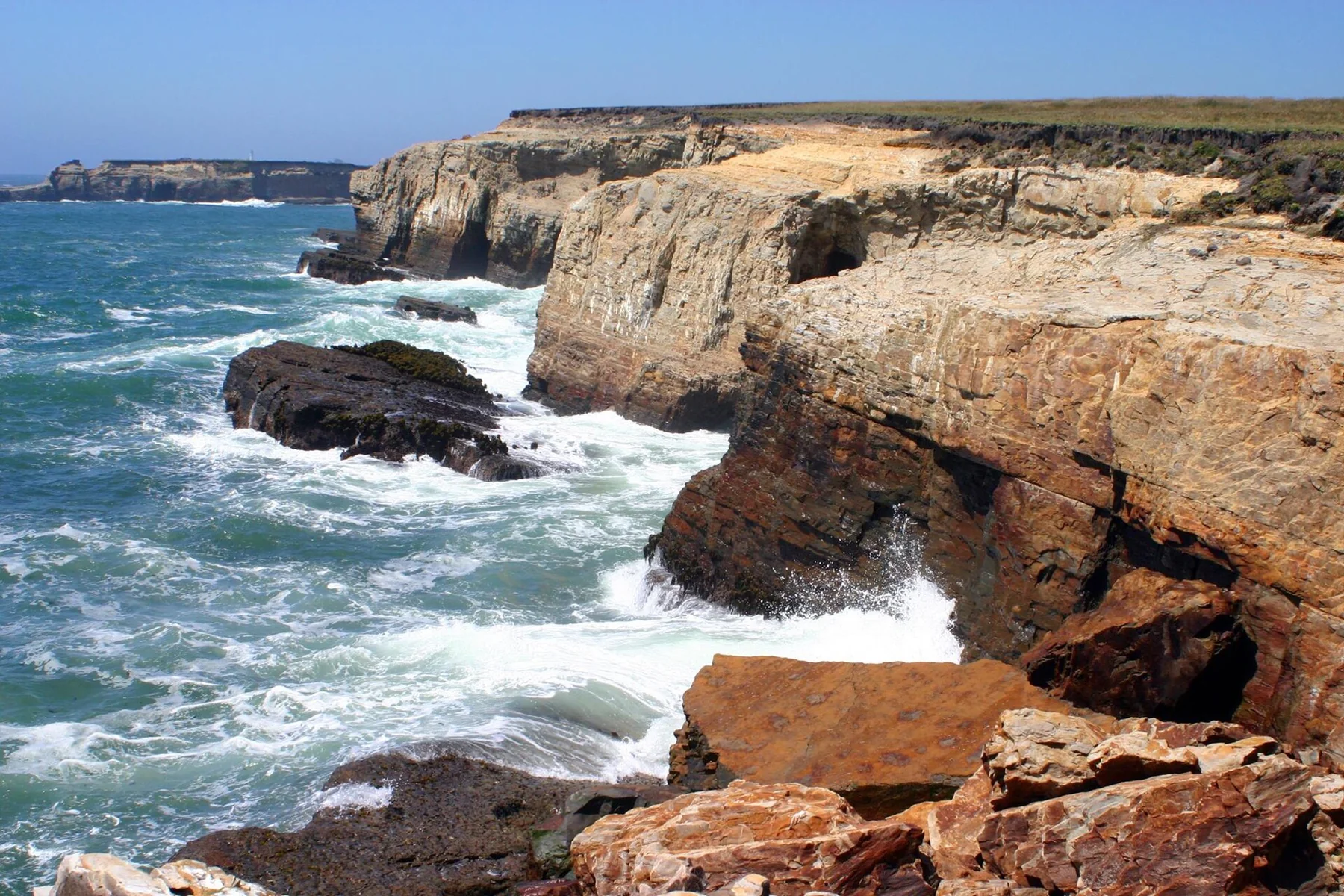
Coastal rock platforms and beach edges also carry real hazards. Follow tide and wave guidance, stay well clear of breaking water, and never chase a photograph into unsafe terrain. Protecting yourself and giving wildlife space are often the same practical decision.
Treat cultural places with care
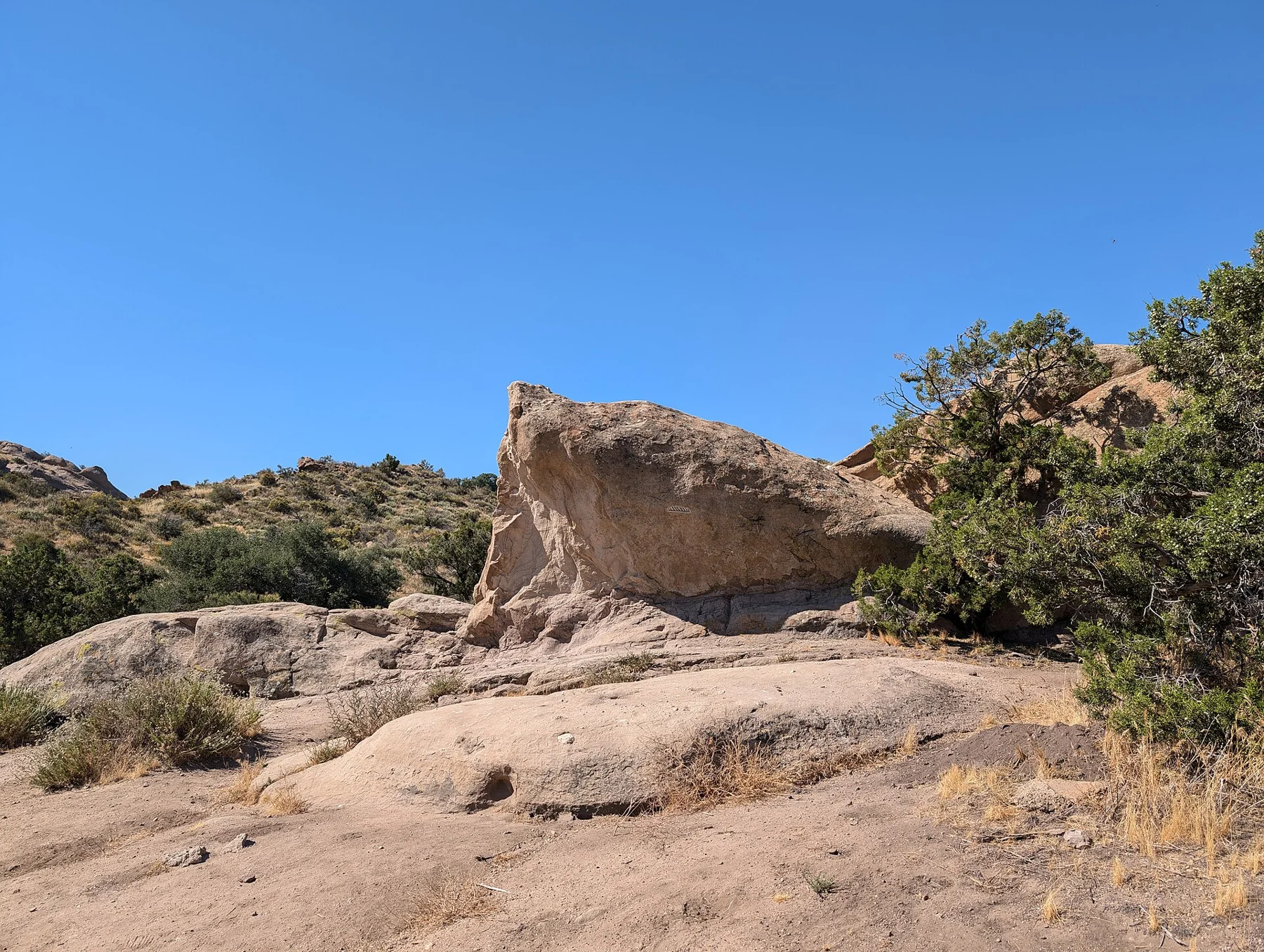
Sites such as Painted Rock are living cultural resources, not decorative backdrops. Check reservation and seasonal access requirements, follow interpretation, and never touch rock art or remove an object. A closed or regulated site deserves the same respect as an open one.
When learning about a place, make room for Indigenous history and present-day communities. Avoid describing land as empty or discovered simply because it is new to you. Read the official interpretation and follow the guidance of the people responsible for the site.
Leave with your rubbish, not a souvenir
Carry out what you bring in and check around your picnic or rest stop before leaving. Natural materials and historic objects belong where you found them. Follow the local rules for pets, fires, drones, and food; those rules differ between destinations.
Before sharing your trip, use the correct place name and a caption that reflects the actual visit. Real photographs can still be old or show conditions that no longer apply. A useful recommendation gives others the source information they need to make a responsible decision of their own.
Plan with current information
These are editorial planning suggestions. Check the land manager’s live notices, fees, permits, and road advice before travel.
Researched October 4, 2026. Photography credits and license details are listed on our photo credits page.